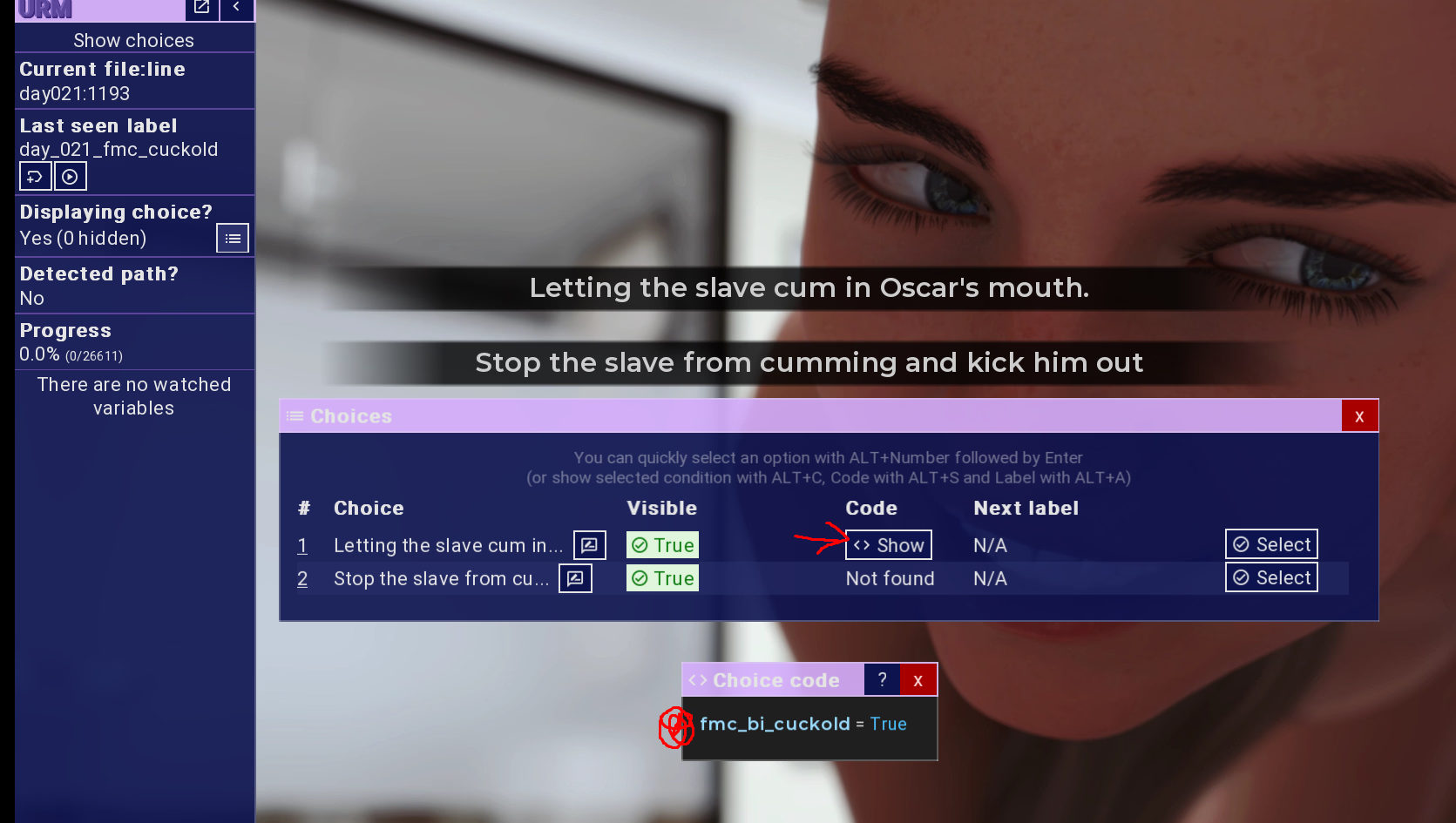
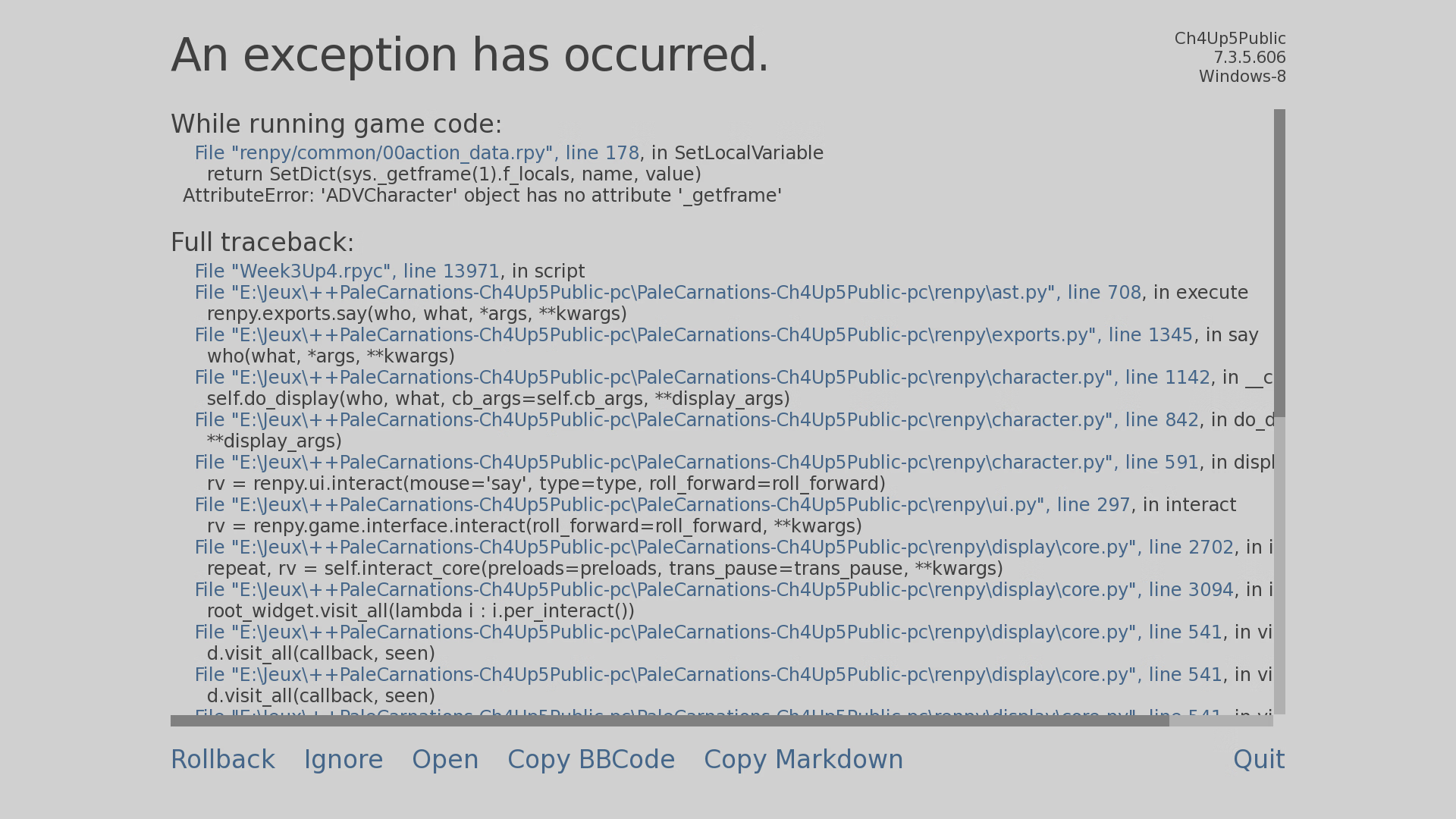
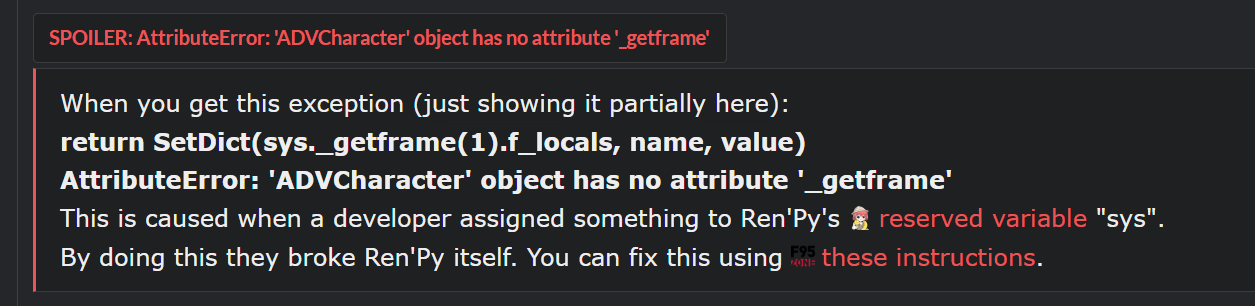
I understand your argument but this is what it looks like on a pre-2.3 version. Perhaps this wasn't the best game to show this example but I feel there is a middle ground, no? Even cutting out all the #Some dialogue would make it much more legible. I haven't struggled understanding my decisions on most any game with any version of URM, until now. Also look at another example below, the codepath shown is only half of how long it actually is! I would just revert back to an old version but the ignore variable option was introduced in 2.5 and now my saves in this game wont work with older versions of URM.
View attachment 4779224
View attachment 4779234
With all of the conditionals in the current-URM example, the older version of URM is not giving you accurate or complete information for this game particularly.
This also came up because a lot of people complained about missing choice consequences that were being hidden behind a jump, or below other code blocks, which is how the new implementation came about.
For instance, your example of the older version says nothing about whether that choice affects any other variables (and I'm positive that it does).
If the older format was used for the second choice, all it would say is:
lea_hug == True. Nothing else. It wouldn't even mention
lea_relationship at all, since that's behind a conditional statement (and the current implementation in URM even tells you whether that condition is met), but the more detailed version lets us know what the conditions for it are.
What you're asking for is providing less information, and providing less-accurate information.